Is a 3-Axis Gimbal Worth It? Pros, Uses, and Limits
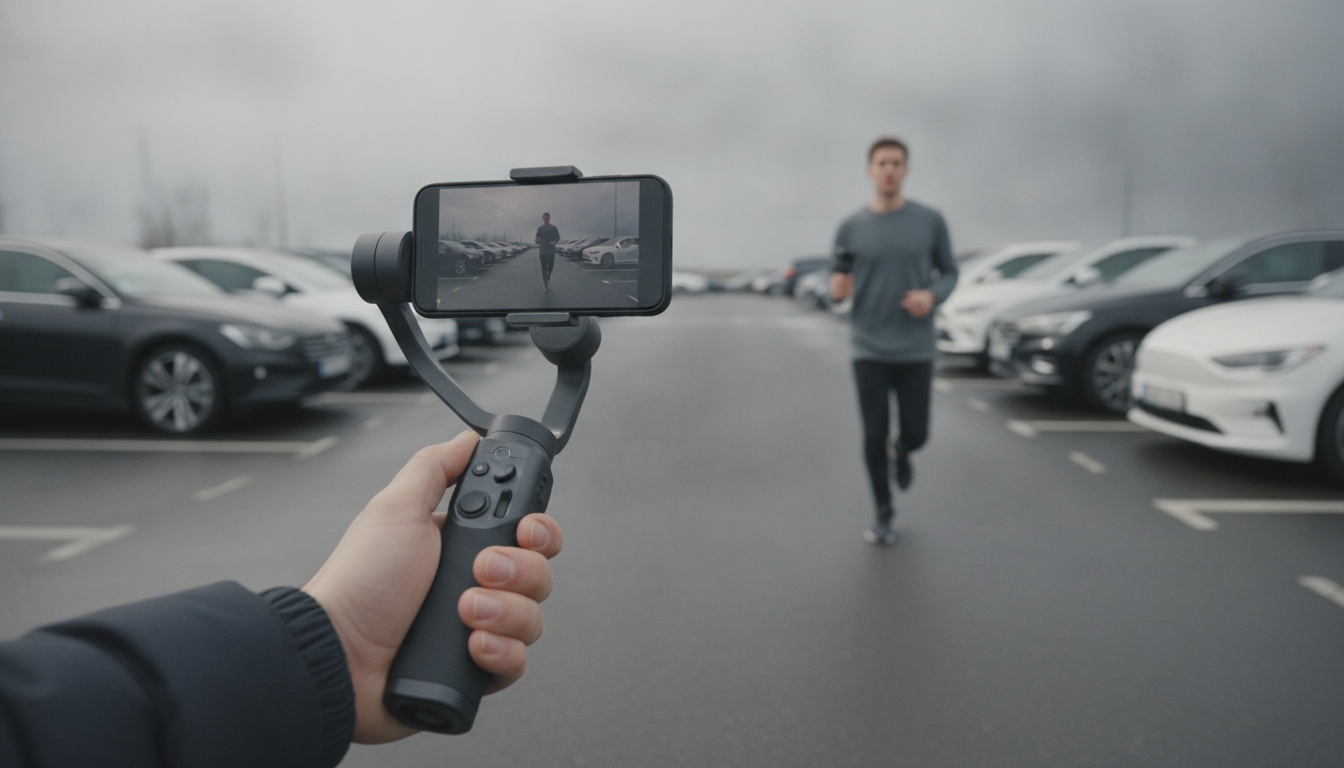
Is a 3 axis gimbal good?
Yes— a 3 axis gimbal is generally a very good choice if the goal is smoother, more professional-looking footage without the “shaky hand” feel. By stabilizing three directions of movement (tilt, roll, and pan), it can keep the camera level while walking, panning, or filming moving subjects, making videos look more controlled and cinematic.
What “3 axis” stabilization actually improves
Compared with simpler stabilizers, 3 axis designs can reduce multiple types of wobble at once. Tilt control helps when steps cause the camera to dip up and down, roll control helps keep horizons straight, and pan control smooths side-to-side movements. The result is steadier shots for product videos, travel clips, events, and social content.
When a 3 axis gimbal is the best option
A 3 axis gimbal is especially useful for handheld video: walking shots, following action, and slow, deliberate camera moves. It can also help create repeatable camera movements for consistent product demos and unboxings, where a stable frame makes details easier to see.
When it may not be worth it
If most filming is on a tripod, at a desk, or in a stationary setup, a gimbal may be unnecessary. There’s also a learning curve: balancing the camera, charging batteries, and managing modes takes time. For ultra-light phones or quick clips, built-in electronic stabilization may be “good enough,” though it usually won’t match the smoothness of a properly tuned 3 axis gimbal.
For deeper guidance on choosing the right style and what to look for before buying, read the main guide here: https://rarepicksbazaar.shop/is-a-axis-gimbal-good/.
For Is a 3-Axis Gimbal Worth It? Pros, Uses, and Limits, the best answer depends on fit, material, care instructions, and how the product will be used day to day.
FAQ
Do I need a gimbal if my camera has stabilization?
In-camera stabilization helps, but a gimbal can smooth larger movements like walking or quick direction changes. Using both together can produce even steadier footage, depending on the camera and settings.









Leave a comment